











What are peptides?
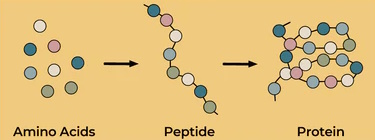
Peptides are naturally-occurring chains of amino acids connected by peptide bonds. These amino acids form the basic building blocks of proteins. Found in every cell and tissue in our bodies, peptides imitate natural processes, playing essential roles in hormone regulation, cell signaling, immune responses, and a range of other biological functions. They can also be used to target fat cells, aid muscle recovery, enhance sexual performance, and stimulate collagen production to combat aging signs.
Classification
- Dipeptides: Contain two amino acids.
- Tripeptides: Contain three amino acids.
- Oligopeptides: Usually have between 4 and 20 amino acids.
- Polypeptides: Chains of many amino acids that can reach protein sizes.
Biological Role of Peptides
Peptides perform various functions in living organisms:
- Hormones: Many hormones in the body are peptides by origin, such as insulin, which regulates blood sugar levels.
- Enzymes: Some enzymes involved in biochemical reactions in the body are peptides.
- Antimicrobial Peptides: These peptides participate in the immune defense of the body, helping to destroy harmful microorganisms.
- Neuropeptides: Serve to transmit information between neurons in the nervous system.
Functions of Peptides in the Body
Although they may be less known to the general public compared to molecules like DNA and proteins, peptides play an important role in numerous biological processes. Let's look at some of the main functions in the human body.
- Regulation of Metabolic Processes: Some hormones in our body are peptides, such as insulin for blood glucose regulation and oxytocin, which plays a crucial role in childbirth.
- Protection Against Microorganisms: Some peptides act as small soldiers, protecting our body from unwanted microorganisms. These antimicrobial peptides kill bacteria, fungi, and viruses by embedding in their membranes and disrupting them.
- Role in the Nervous System: Peptides can act as information mediators between neurons. For example, endorphins are neuropeptides that regulate the sensation of pain and pleasure.
- Support of Tissue Integration - Collagen and Elastin: These peptides are crucial for the structure of the skin and other connective tissues, providing strength and elasticity.
- Acceleration of Chemical Reactions: Some enzymes that facilitate biochemical reactions in our cells are peptides. They optimize the conversion of our food into energy.
How do peptides work?
Peptides function based on their structural properties and roles. They can act as hormones, neurotransmitters, enzymes, antibiotics, and more. Their actions differ based on their specific purpose.
When a peptide is recognized by cellular receptors, it can influence the cell's behavior. For instance, peptide hormones can regulate metabolism or control blood sugar levels. Neuropeptides might act as neurotransmitters, transmitting signals between nerve cells. Antibiotic peptides can kill bacteria by disrupting their cell membranes.
Some peptides can bind to other molecules, modulating their activity. For example, certain peptides are known to bind with metabolite-binding proteins, altering their function.
In summary, peptides can exert a range of effects within the body. Their mechanisms of action are diverse and intricate.
Popular Peptides and Their Applications
Let's look at peptides that have caught the attention of specialists with their impressive properties and applications.
- Thymosin Beta-4: Stimulates tissue regeneration and wound healing.
- GHK-Cu (Copper Tripeptide-1): Stimulates collagen production and has anti-aging effects on the skin.
- GHRP-6 (Growth Hormone Releasing Peptide-6): Stimulates the release of growth hormone, useful in sports and regenerative medicine.
- Melanotan II: Increases melanin production for a natural tan.
- BPC-157 (Body Protection Compound-157): Supports tissue regeneration and is researched for treating gastritis and ulcers.
- PT-141 (Bremelanotide): Treats sexual disorders in men and women.
- DSIP (Delta Sleep-Inducing Peptide): Researched for potentially regulating sleep rhythms and improving sleep quality.
- Thymosin Beta 4 (TB-500): Enhances muscle tone, reduces spasms, improves tissue repair, increases muscle and joint flexibility, decreases joint inflammation, and bolsters endurance and strength.
- CJC/Ipamorelin: Reduces body fat, elevates sleep quality and cognitive functions, shortens recovery time post-injury, and augments muscle mass and strength.
- Mechano Growth Factor (MGF): Potentially fosters enhanced skeletal muscle regeneration, bone density increase, expedites injury repair, and ameliorates cardiac function.
- IGF-1 LR3: May aid in augmenting lean muscle mass, boosting athletic performance, enhancing post-workout muscle recovery, shortening injury recovery time, promoting muscle protein synthesis, and reducing body fat.
- AOD 9604: Primarily used to tackle obesity and assist weight loss by stimulating the pituitary gland, akin to HGH, accelerating metabolism, and enhancing weight loss more efficiently than just dieting and exercising. It also has growth hormone-associated regenerative properties and doesn't impact blood sugar levels.
- Finasteride: In some men, Finasteride can promote hair regrowth, decelerate the pace of hair loss, and prevent further hair shedding.
- Palmitoyl Pentapeptide-4 (Matrixyl): An anti-aging component that stimulates collagen synthesis in the skin.
- Acetyl Hexapeptide-3 (Argireline): Used in anti-aging cosmetics for relaxing facial muscles and reducing wrinkles.
- Collagen Peptides (Collagenum): Improves skin, hair, and nails through supplements and cosmetic products.
Peptides may be small in size, but their potential is vast. New research and discoveries emerge every day, promising even more impressive applications in the future. Whether for beauty, health, or regeneration, peptides continue to be at the forefront of modern innovations.
Peptides in Cosmetics

With the growth of science and technology, cosmetics increasingly focus on innovative ingredients. One of the most promising and widely used ingredients in recent years are peptides. But what exactly are these microscopic molecules, and what role do they play in the world of beauty?
- Stimulating Collagen Production: Collagen is a key protein for the structural integration of the skin. Over time, with age, collagen levels decrease, leading to wrinkles and loss of elasticity. Peptides can "signal" skin cells to increase collagen production, thereby supporting the skin's elasticity and density.
- Muscle Relaxation: Some peptides can relax facial muscles, leading to a reduction in the visibility of surface wrinkles. This action is comparable to some injectable procedures, but without invasive intervention.
- Improving Hydration: Hydration is key to healthy skin. Peptides can support moisture retention in the skin, strengthening the skin barrier and increasing its ability to retain moisture.
- Improving Skin Barrier: Peptides can stimulate the production of lipids and other components that strengthen the skin barrier, protecting the skin from external aggressors and increasing its overall resilience.
- Supporting Regeneration: Peptides can stimulate cell renewal and regenerative processes in the skin, thus aiding recovery from damage or stress.
- Reducing Inflammation: Some peptides have anti-inflammatory properties that help reduce redness and irritation of the skin.
By integrating into cosmetic formulas, products can provide consumers with highly effective solutions for various skin issues.
The Therapeutic Role of Peptides in Modern Medicine
With the advancement of medical sciences, new and innovative treatment methods continue to penetrate clinical practice. Peptides, previously known mainly in the field of cosmetics and biochemistry, now occupy an important place in the therapeutic strategies of medicine. Let's delve into their role in treating various diseases.
- Hormonal Regulation: Numerous peptides, such as insulin and glucagon, are crucial for the regulation of physiological functions in the body. They are used to treat diseases like type 1 and type 2 diabetes.
- Cardiovascular Diseases: Peptides can play a role in regulating blood pressure by targeting receptors involved in the contraction of blood vessels or affecting the balance of water and salt in the body.
- Immune Regulation: Some peptides have the potential to modulate the immune response, helping to combat autoimmune diseases or bolster the immune system against infections.
- Oncology: In the field of oncology, they can be used as targeted therapeutic agents that attack specific molecular markers on tumor cells.
- Early Treatment: Peptides with antimicrobial activity can be used for the prevention and treatment of infections, especially in situations involving resistant bacterial strains.
- Advantages of Peptide Therapy: One of the main advantages of peptides is their specificity. They can bind to specific receptors with high affinity, reducing the likelihood of side effects. Moreover, due to their small size and biodegradability, peptides often have a better safety profile compared to other products.
Peptide therapy represents one of the most promising approaches in contemporary medicine. As our understanding of the molecular mechanisms of various diseases expands, peptides continue to take an increasingly central place in the development of new, more effective therapies.
Peptides for Sport & Fitness:

Yes, peptides are used in sports, primarily as supplements to enhance overall physical performance and stamina. Within the athletic community, peptides are often referred to as "pro-hormones" and are used to boost muscle growth, reduce body fat, and elevate energy levels.
Some of the popular peptides used in sports include:
- Growth Hormone (HGH): Naturally produced in the body, this peptide can be taken as a supplement to increase muscle mass and reduce body fat.
- Insulin-like Growth Factor-1 (IGF-1): Another peptide naturally produced in the body, it can be supplemented to enhance muscle growth and accelerate recovery post-workout.
- Thymosin Beta-4 (TB-500): Utilized to improve endurance and stimulate muscle growth.
- Beta-Alanine: This peptide aids in enhancing physical endurance and optimizing the use of fats as an energy source.
While peptides can be beneficial for boosting physical performance and athletic endurance, incorrect usage might lead to adverse effects in some people. Before incorporating any peptide supplement into one's regimen, it's essential to consult with a qualified sports specialist and adhere to the guidelines set by sports organizations.
With contemporary developments in biochemistry and sports science, peptides have come into the spotlight for many fitness enthusiasts. But why are they so important, and how exactly can they help athletes improve their performance?
Muscle Growth Stimulation: Some peptides can stimulate the growth of muscle cells, thereby aiding in the accumulation of muscle mass. They increase protein synthesis and assist in the recovery of muscle fibers after a workout.
Improved Regeneration: Quick recovery after a workout is essential for maintaining an intensive training routine. Peptides can shorten the recovery period and reduce muscle soreness.
Enhanced Endurance: By increasing the number of blood vessels in the muscles, peptides can assist in the delivery of oxygen and nutrients to active muscle groups, increasing their endurance.
Fat Burning Support: Peptides can activate pathways in the body related to fat breakdown, aiding in achieving better muscle definition.
Incorporating peptides into a training routine can be a key step towards achieving desired physical results, whether the goal is to increase muscle mass, improve regeneration, or enhance endurance. However, it is important to use them under supervision and with the advice of specialists to ensure their safety and effectiveness.
Ipamorelin - The Natural Growth Hormone Booster
Ipamorelin is a peptide known for its ability to stimulate the production of growth hormone, offering numerous benefits:
- Muscle Definition: With increased growth hormone, Ipamorelin helps muscles grow faster and more efficiently.
- Effective Fat Burning: Elevated levels of growth hormone activate fat-burning processes.
- Energy Boost: Helps increase energy and endurance during workouts.
GHRP-6 - The Path to Optimal Recovery
- Stimulates Appetite: Ideal for those looking to gain weight or increase their caloric intake.
- Improves Sleep Quality: Good sleep is key to recovery after workouts.
- Boosts the Immune System: Helps athletes protect against diseases and train continuously.
Combining Ipamorelin and GHRP-6
Ipamorelin and GHRP-6 are two extremely popular peptides in the world of fitness and bodybuilding. Characterized by their ability to stimulate the production and release of growth hormone in the body, they lead to a number of positive effects. When used wisely and responsibly, Ipamorelin and GHRP-6 can give athletes an edge in achieving their maximum physical form.
Peptides for the Face:
When it comes to innovations in cosmetics, peptides quickly enter the discussion. These microscopic molecules are the transforming power behind many favorite skincare products. But what exactly are they, and how do they help our facial skin look younger and healthier?
- Collagen Synthesis Support: Peptides can stimulate cells to produce more collagen, the natural protein that keeps skin firm.
- Hydration: Some peptides facilitate the skin's ability to retain moisture, preventing dryness and giving it a fuller and fresher look.
- Soothing: They can also act as soothing agents, reducing redness and irritation, especially for sensitive skin.
- Protection: Some peptides act as antioxidants, helping the skin defend against damage from free radicals and the environment.
Peptides represent a breakthrough in cosmetics, offering consumers the opportunity to enjoy healthier, younger-looking skin without the need for invasive procedures. They are the natural secret behind youthful skin and deserve a place in every facial care routine.
GHK-Cu: The "Miracle" Peptide
GHK-Cu, also known as copper tripeptide-1, is a naturally occurring compound in the human body that combines three amino acids (glycine, histidine, lysine) with a copper ion. Here's what makes GHK-Cu so special:
- Collagen Stimulation: GHK-Cu stimulates collagen production in the skin, helping to improve its elasticity and firmness.
- Regeneration: GHK-Cu accelerates the wound healing process, aiding skin regeneration.
- Antioxidant Protection: GHK-Cu protects the skin from free radicals and oxidative stress, preventing premature aging.
- Improves Skin Texture: The peptide helps reduce visible wrinkles, fine lines, and other signs of aging, making the skin smoother.
GHK-Cu is one of the most promising peptides in modern cosmetics. It offers comprehensive skin care, fighting the signs of aging, stimulating regeneration, and protecting against harmful external factors.
Peptides for Recovery

Whether you're a professional athlete, fitness enthusiast, or simply someone who loves an active lifestyle, you understand how important recovery after a workout or physical exertion is. In modern medicine and biochemistry, peptides find wide application, including in the field of recovery. But how exactly do they support the process?
Peptides and Muscle Recovery
- Stimulating Protein Synthesis: Some peptides activate molecular pathways in cells, increasing protein synthesis in muscles. This leads to rapid recovery and growth of muscle mass.
- Reducing Inflammation: Intensive workouts can cause inflammation in the body. Some peptides have anti-inflammatory properties, helping to quickly alleviate symptoms and speed up the recovery process.
- Peptides and Connective Tissue: Peptides can stimulate collagen synthesis - a key component in connective tissue. This supports the recovery of joints and ligaments after injuries.
- Peptides and the Immune System: Some peptides have the ability to modulate and stimulate the body's immune responses, making them valuable allies in the fight against potential health threats after intense training.
Peptides offer a complex and multifaceted approach to recovery after physical exertion. They not only support muscle recovery but also stimulate overall body regeneration. With the development of scientific research and practice, peptide therapy could become a main tool in the hands of athletes, coaches, and anyone who values their health and well-being.
BPC-157 - The Recovery Peptide
BPC-157 is known for its powerful regenerating and restorative abilities. Its main benefits include:
- Targeted Recovery: BPC-157 actively accelerates the healing process of damaged muscle fibers and structures, essential for athletes and individuals subjected to significant physical stress.
- Facilitates Tissue Regeneration: BPC-157 supports tissue recovery by stimulating the creation of new blood vessels (angiogenesis) and speeding up the natural healing process after injuries.
- Fighting Inflammation: BPC-157 helps in dealing with chronic and acute inflammations, thus reducing pain and accelerating the overall recovery of the body.
Peptides for Weight Loss

The answer to the eternal question, "How can I lose weight?" is not in magic pills or quick diets. However, scientific progress offers new hope, namely weight loss peptides. Let's explore how they can help us achieve the desired figure without excessive effort.
Some peptides act as natural regulators of appetite, helping to reduce hunger and increase the feeling of satiety. Others accelerate metabolic processes, aiding the body in burning fats more efficiently. There are also those focused on strengthening muscle definition while body fat decreases.
What makes them exceptionally interesting and attractive is their ability to work more specifically and targeted, compared to other traditional weight loss methods. They offer a more balanced and comprehensive approach, avoiding unnecessary side effects.
Weight Loss Peptides - Semaglutide in Focus
In the fight against excess kilograms, the scientific community does not cease to search for and develop new and innovative approaches. Besides traditional methods, such as diets and physical activity, the use of peptides for weight loss has been gaining popularity lately. One of them, standing out among others, is Semaglutide.
Semaglutide is a peptide initially developed for the treatment of type 2 diabetes. It acts by regulating insulin secretion and reducing glucose levels. But besides that, clinical studies have shown that Semaglutide can be extremely useful as a means of weight loss. The main reason Semaglutide is used as a weight loss tool is its ability to reduce appetite. It regulates the feeling of hunger, resulting in people consuming fewer calories and losing weight. With regular intake of Semaglutide, many patients report a significant reduction in body weight.
Other weight loss peptides:
- Tirzepatide: Tirzepatide is a dual glucose-dependent insulinotropic peptide (GIP) and glucagon-like peptide-1 (GLP-1) receptor agonist. It works by regulating insulin secretion and reducing blood glucose levels, which can lead to weight loss.
- Ipamorelin: Ipamorelin is a growth hormone secretagogue peptide that stimulates the production and release of growth hormone. It can enhance metabolism and promote fat loss, making it useful for weight management.
- HGH Frag 176-191: This peptide is a fragment of the human growth hormone (HGH) that specifically targets fat cells, promoting lipolysis (the breakdown of fats) and inhibiting lipogenesis (the formation of fats). It's often used for fat loss and body recomposition purposes.
- CJC 1295 No Dac: CJC 1295 is a growth hormone-releasing hormone (GHRH) analogue that stimulates the release of growth hormone from the pituitary gland. When combined with a growth hormone secretagogue like Ipamorelin, it can enhance the fat-burning effects and promote weight loss.
- Aicar: Aicar is a peptide that activates AMP-activated protein kinase (AMPK), an enzyme that plays a role in cellular energy regulation and metabolism. It can enhance fat oxidation and improve glucose uptake in skeletal muscle, making it a potential candidate for weight loss and metabolic disorders.
Benefits of Peptides
Peptides offer a wide range of benefits for human health. Some of these advantages include:
- Medical treatments: Many peptides are used in medicine to treat various conditions.
- Muscle growth and endurance: Certain peptides can enhance muscle mass and endurance, making them beneficial for athletes or those looking to improve their physical performance.
- Skin and hair improvement: Peptides are used in cosmetics for enhancing the skin and hair. They can increase skin elasticity, reduce wrinkles, and stimulate hair growth.
- Immune system boost: Some peptides can strengthen the immune system, enhancing the body's defenses against diseases and infections.
- Metabolism enhancement: Certain peptides can enhance body metabolism by boosting fat burning and diminishing hunger sensations.
Conclusion
In conclusion, peptides offer a range of health and beauty benefits, from enhancing skin health and promoting muscle growth to supporting immune function and aiding weight loss. By incorporating peptides into your lifestyle through skincare products, dietary sources, or supplementation, you can unlock their potential and enjoy a healthier, more radiant version of yourself.
It is important to use peptides responsibly, especially in the field of sports and muscle growth, and always under professional guidance.